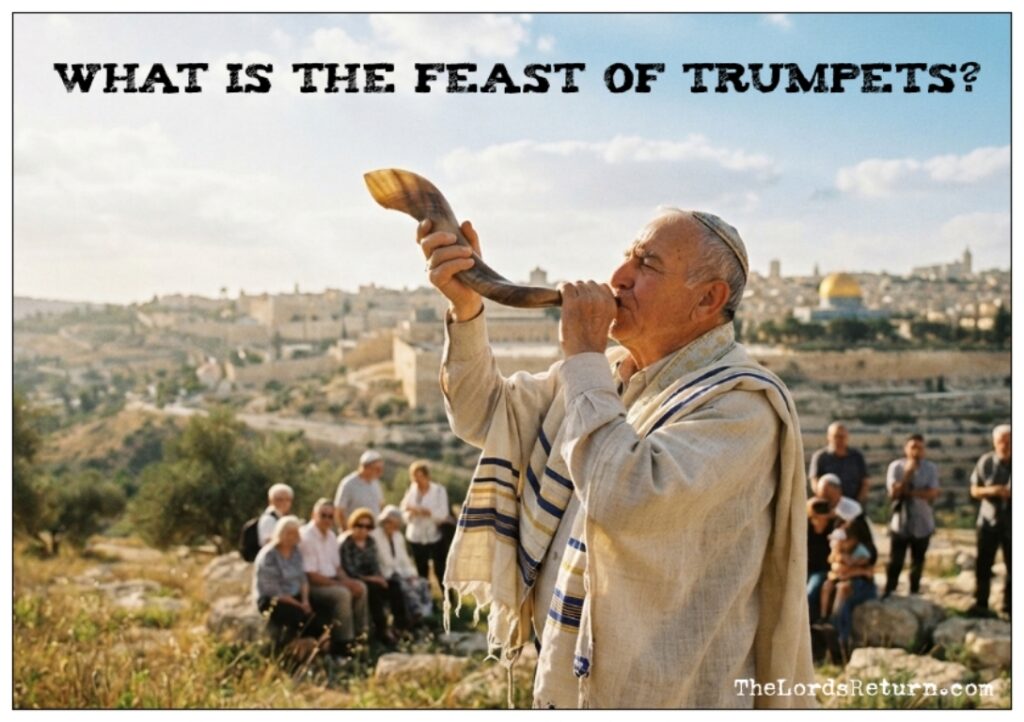
The Feast of Trumpets—known in scripture as Yom Teruah (the day of the sounding or shouting)—is ordained on the first day of the seventh month (Tishri). Unlike the spring festivals that mark the early harvest and the first coming of Christ, the autumn feasts pivot toward the final ingathering and the culmination of history.
In the Torah, the instruction is concise yet potent:
“Speak unto the children of Israel, saying, In the seventh month, in the first day of the month, shall ye have a sabbath, a memorial of blowing of trumpets, an holy convocation. Ye shall do no servile work therein…” (Leviticus 23:24-25, KJV)
Additional instructions regarding the specific offerings for the day are outlined in Numbers 29:1-6, marking it as an appointment distinct from the regular monthly new moon observances through its strict requirement of rest and public assembly.
The Meaning and Prophetic Significance
Throughout the biblical narrative, the trumpet functions as an instrument of supreme gravity. It is used to assemble the camp, direct journeys, sound the alarm of approaching danger, and announce the arrival or coronation of a King.
The Feast of Trumpets serves as a profound prophetic shadow pointing directly to the closing acts of this age:
- The Awakening Call: The piercing blast of the trumpet shatters spiritual complacency, calling the people to examine their spiritual posture before a holy God.
- The Gathering of the Remnant: It foreshadows the ultimate gathering of God’s people. The New Testament connects this exact motif to the return of the Lord and the resurrection:“For the Lord himself shall descend from heaven with a shout, with the voice of the archangel, and with the trump of God: and the dead in Christ shall rise first: Then we which are alive and remain shall be caught up together with them in the clouds, to meet the Lord in the air: and so shall we ever be with the Lord.” (1 Thessalonians 4:16-17, KJV)
When we approach the Holy Scriptures as one unbroken, cohesive revelation of the mind of God, the artificial walls erected between the Testaments crumble. The Torah and the Revelation are bound together by the golden thread of divine purpose, and the holy appointments established by the Creator do not possess an expiration date stamped by changing dispensations. If our Savior, the living Word, walked in perfect alignment with the appointed times of Jehovah, then looking to these sacred days with reverence is the very footprint of discipleship. It is an acknowledgment that our time is not our own, but belongs entirely to the King who has promised to return.
How to Correctly Honor It
To honor Yom Teruah, the Day of Shouting, is to translate this ancient command into a life of present, purposeful devotion without falling into the trap of legalistic bondage. Scripture outlines clear parameters for how the day was structured, offering profound spiritual application for believers today:
- A Day of Rest (Sabbath-Rest): God commanded that regular, servile labor be ceased. We begin by laying down our tools, screens, and commercial endeavors for a 24-hour pause from the relentless mechanics of daily commerce, clearing away the noise that drowns out the Spirit’s whisper and refocusing the mind entirely on eternal things.
- A Holy Convocation: It is designed to be observed as a sacred assembly, calling believers together to fellowship, study the Word, and lift corporate voices in worship, reminding one another that the night is far spent and the day is at hand.
- The Memorial of Sounding: While ancient physical sacrifices by fire were fulfilled once and for all through the cross, we honor the day by intentionally turning our attention to the Blessed Hope—reading the passages in the Prophets and the New Testament that speak to the sound of the trumpet, the resurrection of the dead, and the imminent appearing of our Lord.
- The Sacrifice of Praise: While the Levitical fire-offerings were fulfilled in the once-for-all sacrifice of our Savior, we offer the sacrifice of praise to God continually, lifting our voices in corporate and private worship to acknowledge His absolute sovereignty.
Should We Honor It or Is It Mandated?
To answer whether the Feast of Trumpets is mandated for believers today, we must look to the New Testament’s exposition of the ceremonial law. The Apostle Paul explicitly addresses the status of the annual feast days, new moons, and sabbaths:
“Let no man therefore judge you in meat, or in drink, or in respect of an holyday, or of the new moon, or of the sabbath days: Which are a shadow of things to come; but the body is of Christ.” (Colossians 2:16-17, KJV)
The festivals given to ancient Israel were physical “shadows” cast by a greater reality—Jesus Christ. While the ceremonial mandates and animal sacrifices of the Levitical code were nailed to the cross and fulfilled in Him, the underlying structural truths, prophetic timelines, and principles of pausing to honor God remain intensely valuable.
The evidence from Genesis to Revelation confirms that God’s eternal calendar is a tapestry of unyielding truth. The Feast of Trumpets is a vital appointment for the remnant who refuse to fall asleep in the comfort of this fading age. We do not honor it to earn salvation, but because we belong to the Kingdom it represents, desiring to walk as He walked and keep our hearts in sync with the Father’s prophetic clock.
As we set aside this day, let it be a living testimony of our readiness. Let the world continue its toil, but let the people of God stop, look up, and listen.